Your renewal notice arrives in January, and the premium is higher than it was in July. Nothing about you changed. You did not have an accident, move, or buy a different car. What changed is the season, and the season changes what insurers pay out, which changes what they charge.
The short answer is this: car insurance costs more in winter because winter produces more claims, and more expensive claims, than any other season. Your premium does not change month to month, but your renewal price reflects the insurer’s recent loss experience, and winter is when losses peak.
Key Takeaways
- Winter produces more auto insurance claims than any other season, from ice, snow, reduced visibility, and shorter days.
- Your premium is locked for your policy term, usually 6 months. Winter affects your renewal price, not your current premium.
- Insurers set rates by filing with state regulators, based on loss data. Winter claims feed into those filings.
- Repair costs have risen sharply, because modern cars carry sensors and cameras in their bumpers and windshields.
- Theft claims rise in winter, partly because drivers leave cars running unattended to warm up.
- You can lower your premium by shopping around at renewal, raising your deductible, bundling policies, and asking about discounts.
Table of Contents
More accidents happen in winter
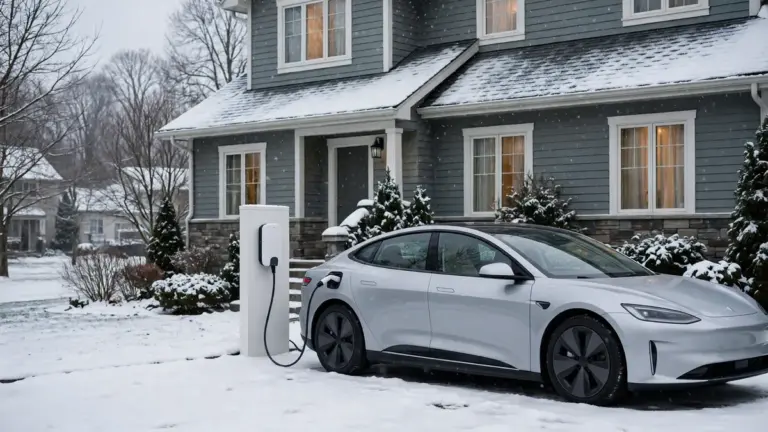
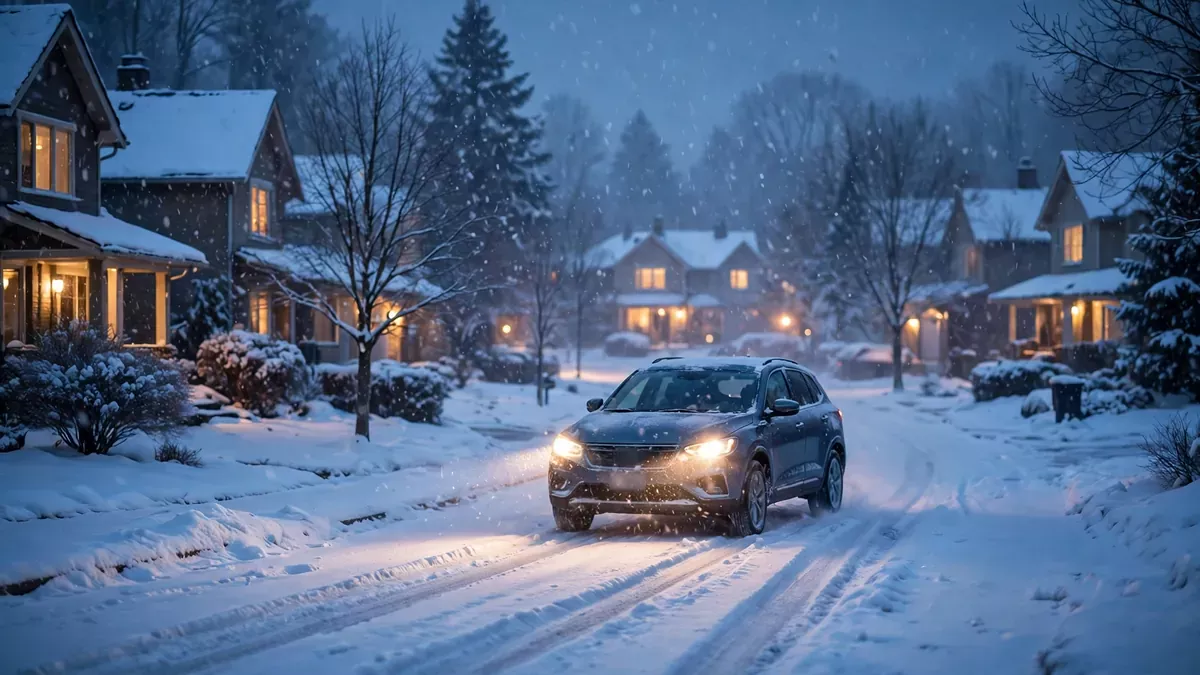
The primary reason insurance costs more in winter is simple: more accidents happen. Ice, snow, sleet, and freezing rain reduce traction and increase stopping distances. Shorter days mean more driving in darkness, when visibility is worse and fatigue is higher. Holiday traffic adds congestion. All of these factors increase the frequency of collisions.
Rear-end collisions are the most common winter accident. A driver following too closely on an icy road cannot stop in time when traffic slows. The stopping distance on ice can be 10 times longer than on dry pavement, and most drivers do not adjust their following distance enough to compensate.
Single-vehicle accidents also rise in winter. Cars slide off icy roads, hit guardrails, strike trees, or end up in ditches. These claims are often more expensive than they look, because a car that slides into a ditch at moderate speed can sustain damage to the suspension, wheels, and undercarriage, in addition to body damage.
Comprehensive claims rise too. Falling ice, tree branches weighed down by snow, and hail can damage parked cars. Deer collisions peak in autumn and continue into winter, during mating season and migration. A deer strike can cause thousands of dollars in damage, and in some states, deer collisions are among the most common comprehensive claims.
Insurers track all of this. They know, from decades of claims data, that the winter months produce a higher volume of claims than the summer months, and they price their policies accordingly. The rate you pay reflects the expected cost of insuring you, and the expected cost is higher in winter.
Repairs cost more than they used to
The second factor is the cost of each claim. Even if the number of accidents stayed the same, the average claim would cost more than it did a few years ago, because repairing a modern car is more expensive.
A bumper is no longer just a bumper. It contains parking sensors, blind-spot monitoring radar, and sometimes cameras. A windshield contains a camera for lane-keeping assist and automatic emergency braking. After a collision, these systems must be recalibrated, which requires specialized equipment and adds hours of labor to the repair.
Parts cost more, and they take longer to arrive. Supply chain disruptions have eased since the pandemic, but parts prices remain elevated, and some parts are still back-ordered for weeks. Labor rates at body shops have risen, because skilled technicians are in short supply. A repair that cost $2,000 five years ago may cost $3,500 today.
The result is that insurers pay more per claim, and they pass that cost to policyholders through higher premiums. This is not a winter-specific effect, but it amplifies the winter effect: more claims, each costing more, at the same time.
Theft rises in winter
A less obvious winter factor is theft. Auto theft claims rise in cold months, and one reason is a habit called “puffing”: leaving a car running unattended to warm up. A running car with the keys inside is an easy target, and it is also a target the insurer may dispute. Some policies exclude theft when the keys were left in the vehicle, and some states have laws against leaving a running car unattended.
Even without puffing, winter theft rises. Thieves target cars for parts, and catalytic converter theft, which surged in recent years, continues to be a problem. A catalytic converter contains precious metals, and it can be cut from the underside of a car in minutes. The repair costs thousands of dollars.
Remote start systems, which let you warm the car without leaving the keys in it, reduce the puffing risk. If your car does not have one, an aftermarket remote start is a worthwhile investment, and it is cheaper than a theft claim.
How rates are actually set
It helps to understand how car insurance pricing works, because the process explains why winter affects your premium even though your premium does not change with the seasons.
Car insurance is regulated at the state level. An insurer that wants to charge a certain rate must file it with the state’s insurance regulator, along with the data supporting it. The regulator reviews the filing and approves it, rejects it, or asks for changes. The rate is based on the insurer’s loss experience: how much it paid out in claims, for drivers like you, in your area, driving cars like yours.
Loss experience is seasonal. If an insurer paid out more in claims during the winter months, its loss ratio rises, and its next rate filing reflects that. The filing may be approved months later, and the new rate applies at your next renewal. The chain from a winter accident to your premium increase is long, but it is real.
Your individual premium is set for a policy term, usually 6 months. It does not change during the term, no matter what happens to the weather or the insurer’s claims. What changes is the renewal price, which is based on the insurer’s current rates, your driving record, and the factors that apply to you at renewal time.
This is why your premium can go up even if you did not have an accident. The insurer’s overall losses went up, the rates went up, and your renewal reflects the new rates. Your clean record still helps: you pay less than a driver with accidents, but you pay more than you did before, because the baseline moved.
What affects your premium besides the season
Winter is one factor, but your premium is shaped by many others, and some of them are within your control.
Your driving record matters most. A single at-fault accident or a speeding ticket can raise your premium significantly at renewal, and the increase typically lasts 3 to 5 years. A clean record earns the lowest rates.
Where you live matters. Urban areas have higher premiums than rural areas, because accidents, theft, and vandalism are more common. Your ZIP code is one of the strongest predictors of your premium, and it is not something you can easily change.
What you drive matters. Expensive cars cost more to repair and replace, so they cost more to insure. Cars with high theft rates cost more. Cars with strong safety ratings and advanced driver assistance systems may cost less, because they are involved in fewer accidents, though the repair cost of those systems partly offsets the savings.
How much you drive matters. More miles mean more exposure to accidents. If you drive less than average, because you work from home or use public transit, you may qualify for a low-mileage discount or a usage-based policy.
Your credit history matters in most states. Insurers use credit-based insurance scores to predict claim likelihood, and drivers with lower scores pay higher premiums. California, Hawaii, and Massachusetts ban the use of credit in auto insurance pricing, and several other states restrict it. Where it is allowed, improving your credit can lower your premium.
What you can do about it
The single most effective step is to shop around at renewal. Insurance prices vary widely between companies for the same driver, because each insurer weighs risk factors differently. Getting quotes from three or more insurers takes an hour and can save hundreds of dollars per year. Online comparison tools make this easier, but an independent agent who represents multiple insurers can also help.
Raise your deductible, if you can afford it. The deductible is what you pay out of pocket before insurance covers a claim. Raising it from $500 to $1,000 typically lowers your premium by 15 to 30 percent. The trade-off is that you pay more if you have a claim, so only do this if you have the savings to cover the higher deductible.
Bundle your policies. Insurers offer discounts, often 10 to 25 percent, for combining auto and home or renters insurance with the same company. The discount applies to both policies.
Ask about discounts. Many insurers offer discounts for safe driving, good grades (for young drivers), defensive driving courses, anti-theft devices, automatic payments, paperless billing, and loyalty. Some discounts are applied automatically, but others require you to ask.
Consider a usage-based policy. If you drive safely and not too much, a telematics program that monitors your driving through a phone app or a plug-in device can lower your premium. The discount is based on your actual driving behavior, not just your demographic profile. The trade-off is privacy: the insurer sees how, when, and where you drive.
Drive safely in winter. The most direct way to keep your premium down is to avoid accidents. Slow down on icy roads, increase your following distance, clear snow and ice from your entire car (not just the windshield), and keep your tires properly inflated. A winter accident raises your premium for years. The few minutes you save by rushing are not worth it.
Frequently asked questions
Does my premium go up automatically in winter?
No. Your premium is locked for your policy term, usually 6 months. Winter claims affect the insurer’s rates, which affect your premium at your next renewal, not during your current term.
Why did my premium go up if I did not have an accident?
The insurer’s overall losses went up, which led to higher rates. Your clean record means you pay less than drivers with accidents, but the baseline rate for everyone went up. Repair costs, medical costs, and the number of claims all contribute.
Should I drop comprehensive coverage in winter to save money?
No. Winter is when comprehensive coverage is most valuable, because falling ice, tree branches, hail, and deer collisions are comprehensive claims, not collision claims. Dropping it to save a small amount on your premium leaves you exposed to exactly the risks that peak in winter.
Is it legal for insurers to use my credit score?
In most states, yes. California, Hawaii, and Massachusetts prohibit it, and several other states restrict how it can be used. If you live in a state where it is allowed, your credit-based insurance score affects your premium.
How often should I shop for insurance?
At every renewal, or at least once a year. Prices change as insurers update their rates, and your circumstances change too. A company that was cheapest last year may not be cheapest this year.
Sources and further reading
- National Association of Insurance Commissioners: naic.org: how auto insurance rates are set and how to compare policies.
- Insurance Information Institute: iii.org: winter driving risks, claims data, and what affects your premium.
- Federal Trade Commission: consumer.ftc.gov: shopping for insurance, understanding your policy, and avoiding scams.
For more on how cars, insurance, and travel costs work, see how cars, insurance, and travel costs work, and for the travel side of winter, holiday travel insurance coverage. The money behind premiums is explained in how money works in America, and our Auto & Travel section covers more of it.
This article is for general educational and informational purposes only and is not financial, legal, insurance, tax, or medical advice. Always consult a qualified professional regarding your specific situation.