Your roof is the most important protective layer on your home, and the one you think about least, until it fails. It shields you from rain, snow, wind, sun, and hail, 24 hours a day, year after year. But roofs do not last forever. Every roof has a lifespan, and knowing when yours is approaching the end can save you from leaks, water damage, and a much more expensive emergency replacement.
How often should you replace your roof? The answer depends on the material, the climate, the quality of installation, and how well you maintain it. An asphalt shingle roof lasts 20 to 30 years. A metal roof lasts 40 to 70 years. A slate roof can last over a century. But age alone does not tell the whole story: a well-maintained roof in a mild climate can outlast its expected lifespan, while a poorly ventilated roof in a harsh climate can fail early.
The short answer is this: most American homes have asphalt shingle roofs, which should be replaced every 20 to 30 years. Metal roofs last 40 to 70 years, tile roofs 50 to 100 years, and slate roofs 75 years or more. Watch for warning signs: curling or missing shingles, granule loss, leaks, daylight in the attic, and sagging. If your roof is near its expected lifespan and showing signs of wear, start planning for replacement. A new asphalt shingle roof for a typical home costs $8,000 to $15,000.
Key Takeaways
- Asphalt shingle roofs, the most common type in the US, last 20 to 30 years. Three-tab shingles last 15 to 20 years; architectural (dimensional) shingles last 25 to 30 years.
- Metal roofs last 40 to 70 years, clay or concrete tile lasts 50 to 100 years, wood shakes last 20 to 40 years, and slate lasts 75 to 200 years.
- Warning signs that your roof needs replacing include curling, buckling, or missing shingles; granule loss (granules in gutters); leaks or water stains; daylight visible through roof boards; and a sagging roof deck.
- Repair if the damage is localized and the roof is relatively young. Replace if the roof is old, damage is widespread, or repairs would cost more than 30 to 40 percent of a new roof.
- A new asphalt shingle roof for a typical home (1,500 to 2,000 square feet of roof) costs $8,000 to $15,000, or $5 to $10 per square foot. Metal costs $10 to $16 per square foot; tile $15 to $25; slate $20 to $40.
- Proper attic ventilation, regular gutter cleaning, prompt repair of minor damage, and annual inspections can extend your roof’s life by years.
Table of Contents
How long roofs last by material
Roof lifespan varies dramatically by material. Here is what to expect from the most common roofing materials in the United States.
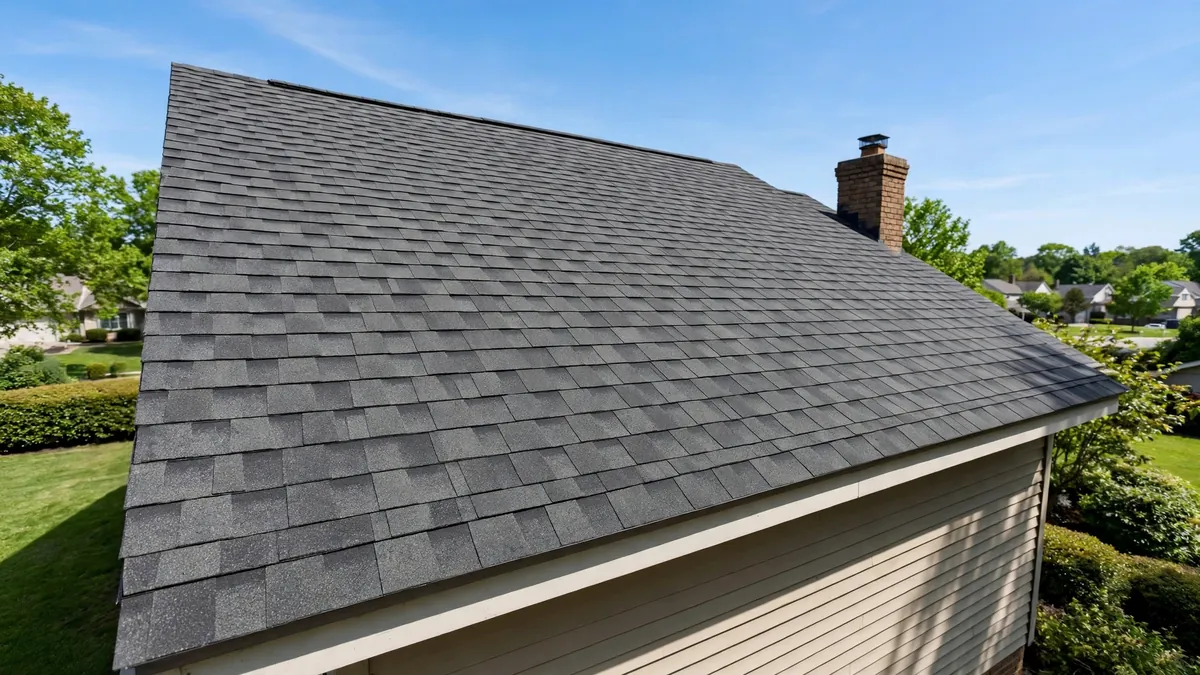
Asphalt shingles are the most common roofing material, covering about 80 percent of American homes. They are affordable, easy to install, and available in many colors and styles. Three-tab shingles, the basic flat type, last 15 to 20 years. Architectural (also called dimensional or laminate) shingles, which are thicker and have a layered appearance, last 25 to 30 years. Some premium architectural shingles carry 50-year warranties, but the realistic lifespan is 25 to 35 years in most climates.
Metal roofing has become increasingly popular, especially in areas with heavy snow, wildfire risk, or hurricanes. Standing seam metal roofs (with raised seams that interlock) last 40 to 70 years. Metal shingles (which mimic the look of asphalt, tile, or slate) last 30 to 50 years. Metal roofs are durable, fire-resistant, energy-efficient (they reflect solar heat), and low-maintenance. They cost more upfront than asphalt but last two to three times as long.
Clay and concrete tile roofs are common in the Southwest, Florida, and California. They are heavy, durable, and fire-resistant, with lifespans of 50 to 100 years. Clay tiles last longer than concrete tiles but cost more. Tile roofs require a strong roof structure to support their weight, and individual tiles can crack from impact (hail, falling branches, foot traffic). The underlayment beneath the tiles typically needs replacement every 20 to 30 years, even if the tiles themselves last much longer.
Wood shakes and shingles (typically cedar) last 20 to 40 years, depending on the climate and maintenance. They are attractive and provide good insulation, but they require regular maintenance (cleaning, treatment to prevent moss and rot) and are vulnerable to fire unless treated with a fire retardant. Wood roofs are less common than they once were, due to fire codes and maintenance requirements.
Slate is the longest-lasting roofing material, with a lifespan of 75 to 200 years. Natural slate is quarried stone, cut into thin tiles. It is extremely durable, fireproof, and beautiful, but it is also very heavy and very expensive. Slate roofs require a reinforced roof structure and specialized installers. Synthetic slate (made from rubber or plastic) lasts 50 to 75 years and costs less, but it does not have the same longevity as natural slate.
Flat roofs, common on commercial buildings and some modern homes, use materials such as EPDM rubber, TPO (thermoplastic polyolefin), or built-up roofing (multiple layers of asphalt and felt). These roofs last 20 to 30 years with proper maintenance. Flat roofs require regular inspection and maintenance to prevent ponding water, which can cause leaks and membrane deterioration.
Signs your roof needs replacing
Age is the most important factor, but it is not the only one. Even a relatively young roof can fail early if it was poorly installed, poorly ventilated, or damaged by storms. Watch for these warning signs.
Curling, buckling, or missing shingles indicate that the shingles are deteriorating. Shingles curl when they lose their flexibility due to age, heat, or moisture. Buckling (shingles that appear wavy or distorted) can indicate a problem with the roof deck or underlayment. Missing shingles, whether from wind, age, or physical damage, expose the underlayment and roof deck to water, leading to leaks.
Granule loss is a sign of aging asphalt shingles. Asphalt shingles are coated with ceramic granules that protect the asphalt from UV radiation and provide color. As shingles age, they shed granules, which wash into gutters and downspouts. If you notice a large amount of granules in your gutters, or if your shingles look bald or patchy, the roof is nearing the end of its life. Some granule loss is normal in the first year after installation, but excessive loss after several years indicates deterioration.
Leaks and water stains are the most obvious sign of roof failure. Water stains on ceilings or walls, damp spots in the attic, or visible drips during rain indicate that water is penetrating the roof. A single leak may be repairable, but multiple leaks, or leaks that recur after repair, suggest that the roof system is failing and needs replacement.
Daylight visible through the roof boards in the attic is a clear sign of a problem. Go into your attic on a sunny day and look for pinpoints of light coming through the roof. Small holes may be repairable, but widespread daylight indicates that the shingles and underlayment have deteriorated, or that the roof deck has gaps.
A sagging roof deck is a serious structural issue. If your roofline appears to sag or dip, or if the roof deck feels spongy when walked on, the decking may be rotted or the rafters may be failing. Sagging requires immediate attention from a structural engineer or roofing contractor, as it can indicate water damage, rot, or structural failure.
Moss, algae, or lichen growth on the roof can trap moisture against the shingles, accelerating deterioration. Moss is particularly problematic, as it lifts shingles and allows water to penetrate underneath. Algae causes dark streaks (often mistaken for dirt) but is primarily cosmetic. If moss is widespread, it may indicate that the roof stays damp and is not drying properly, which shortens its lifespan.
Higher energy bills can indicate roof problems. A failing roof loses insulation value, allowing heat to escape in winter and enter in summer. If your heating or cooling bills have increased without another explanation, your roof may be contributing.
Repair or replace?
Deciding whether to repair or replace your roof depends on the age of the roof, the extent of the damage, and the cost of repairs relative to replacement.
Repair is appropriate when the damage is localized and the roof is relatively young. If a storm blows off a few shingles, a roofer can replace them for a few hundred dollars. If a small leak develops around a chimney or vent, the flashing can be repaired or replaced. If the roof is less than 10 years old and in otherwise good condition, repairs are usually the right choice.
Replace is appropriate when the roof is old, the damage is widespread, or repairs would be costly. If your asphalt shingle roof is 25 years old and showing signs of wear (curling, granule loss, multiple leaks), replacing it is more cost-effective than patching it repeatedly. If repairs would cost more than 30 to 40 percent of a new roof, replacement is usually the better investment.
A roof can sometimes be re-roofed, meaning new shingles are installed over the old shingles, without tearing off the old layer. Re-roofing is cheaper and faster than a full tear-off, but it has drawbacks: it adds weight to the roof structure, it hides the condition of the roof deck (which cannot be inspected), and it may void the manufacturer’s warranty. Most building codes allow only two layers of shingles, so if your roof already has two layers, a tear-off is required. A full tear-off, while more expensive, allows the contractor to inspect and repair the deck, install new underlayment, and ensure a proper installation.
If you are unsure whether to repair or replace, get an inspection from a reputable roofing contractor. A good contractor will assess the roof’s condition, estimate its remaining lifespan, and provide an honest recommendation. Get at least three quotes for a replacement, and be wary of contractors who push for replacement when repair would suffice, or vice versa.
What a new roof costs
Roof replacement is a significant investment, and costs vary widely by material, roof size, complexity, and location.
For a typical American home with 1,500 to 2,000 square feet of roof area, an asphalt shingle roof costs $8,000 to $15,000 installed, or $5 to $10 per square foot. The cost includes tear-off of the old roof, new underlayment, new shingles, flashing, vents, and labor. Architectural shingles cost more than three-tab shingles but last longer and look better.
Metal roofing costs $10 to $16 per square foot installed, or $15,000 to $30,000 for a typical home. Standing seam metal costs more than metal shingles. Metal roofs cost more upfront but last two to three times as long as asphalt, making them cost-effective over the long term.
Clay or concrete tile costs $15 to $25 per square foot installed, or $25,000 to $50,000 for a typical home. The high cost reflects the material, the weight (which may require structural reinforcement), and the specialized labor. Tile roofs last 50 to 100 years, so the long-term cost is competitive.
Slate costs $20 to $40 per square foot installed, or $35,000 to $75,000 or more for a typical home. Natural slate is the most expensive roofing material, but it can last over a century. Synthetic slate costs $10 to $20 per square foot and lasts 50 to 75 years.
Several factors affect cost. Roof pitch (steepness) matters: steeper roofs are harder and more dangerous to work on, increasing labor costs. Roof complexity matters: roofs with many valleys, dormers, chimneys, skylights, and vents require more flashing and labor. Location matters: labor costs are higher in major metropolitan areas. The condition of the roof deck matters: if the deck is rotted or damaged, it must be replaced, adding cost.
Get at least three written quotes from licensed, insured roofing contractors. The quotes should specify the material, the scope of work (tear-off, underlayment, flashing, vents), the timeline, the warranty (both material and labor), and the payment schedule. Avoid paying the full amount upfront; a typical payment schedule is one-third upfront, one-third at midpoint, and one-third upon completion.
How to make your roof last longer
Proper maintenance can extend your roof’s life by years and delay the need for replacement.
Clean your gutters regularly, at least twice a year (spring and fall). Clogged gutters cause water to back up under the shingles, leading to leaks and rot. Clean gutters also prevent ice dams in winter, which occur when melting snow refreezes at the eaves and forces water under the shingles.
Remove debris from the roof. Leaves, branches, and other debris trap moisture against the shingles, promoting moss growth and deterioration. Use a leaf blower or a soft broom to clear debris, taking care not to damage the shingles. Do not use a pressure washer on a shingle roof, as it can dislodge granules and damage the shingles.
Trim overhanging branches. Branches that hang over the roof drop leaves and debris, provide access for squirrels and raccoons, and can damage the roof if they fall during a storm. Trim branches so they do not touch or overhang the roof.
Ensure proper attic ventilation and insulation. Poor ventilation traps heat and moisture in the attic, which accelerates shingle deterioration from below and can cause ice dams in winter. A well-ventilated attic (with soffit vents and ridge vents) keeps the roof deck cool and dry, extending the life of the shingles. Proper insulation (R-38 to R-60 in most climates) prevents heat from escaping into the attic and melting snow on the roof.
Inspect your roof annually, and after major storms. Look for missing, curling, or damaged shingles; check flashing around chimneys, vents, and skylights; look for signs of moss or algae; and check the attic for leaks or daylight. Catching problems early allows for inexpensive repairs before they become major issues.
Repair minor damage promptly. A few missing shingles, a small leak, or damaged flashing can be repaired for a few hundred dollars. Left unaddressed, minor damage can lead to water intrusion, rot, and a much more expensive repair or replacement.
Frequently asked questions
How do I know how old my roof is? If you bought your home recently, the seller’s disclosure or home inspection report may state the roof’s age. If you have lived in your home for years, check your records for the installation date. If you do not know, a roofing contractor can estimate the age based on the shingle type and condition. Building permits for roof replacement are often on file with your local building department.
Can I replace my roof myself? Roof replacement is a major project that requires skill, experience, and safety equipment. It involves working at heights, handling heavy materials, and ensuring proper waterproofing. DIY roof replacement is possible for experienced homeowners with a simple, low-pitch roof, but it is risky and may void the manufacturer’s warranty (which often requires professional installation). For most homeowners, hiring a licensed roofing contractor is the safer and wiser choice.
What is the best time of year to replace a roof? Late spring through early fall is the best time, when temperatures are moderate (40 to 85 degrees Fahrenheit) and shingles seal properly. Asphalt shingles need warmth to seal, so winter installation is not ideal (shingles are brittle in cold weather and may not seal until spring). Summer heat makes the work difficult and can soften shingles, making them vulnerable to damage during installation. Plan ahead, as roofing contractors book up weeks in advance during peak season.
Does a new roof increase home value? Yes. A new roof is one of the best home improvements for return on investment, recouping 60 to 70 percent of its cost at resale, according to Remodeling Magazine’s Cost vs. Value Report. A new roof also makes your home more attractive to buyers, who may be wary of a home with an old roof. If you are selling your home, a new roof can be a selling point, especially if the old roof is near the end of its life.
Should I get a roof warranty, and what does it cover? Most shingle manufacturers offer warranties of 25 to 50 years on materials, but the warranty typically covers only manufacturing defects, not installation errors or storm damage. Some manufacturers offer extended warranties (up to 50 years) if the roof is installed by a certified contractor. The roofing contractor should also provide a workmanship warranty (typically 5 to 10 years) covering installation errors. Read the warranty carefully, and understand what is covered and what voids the warranty (such as improper ventilation or unauthorized repairs).
Sources and further reading
- US Department of Energy: energy.gov: guidance on roofing, insulation, attic ventilation, and how to improve your home’s energy efficiency.
- USA.gov: usa.gov: information on home maintenance, finding licensed contractors, and consumer protection when hiring a roofer.
- US Department of Housing and Urban Development: hud.gov: resources on home maintenance, healthy homes, and when to repair or replace major home systems.
For more on how your home works, see how your home actually works. Indoor air quality is covered in what is radon, and heating costs in why is my house cold at 70 degrees. Our Home & Real Estate section covers more of it.
This article is for general educational and informational purposes only and is not financial, legal, insurance, tax, or medical advice. Always consult a qualified professional regarding your specific situation.